


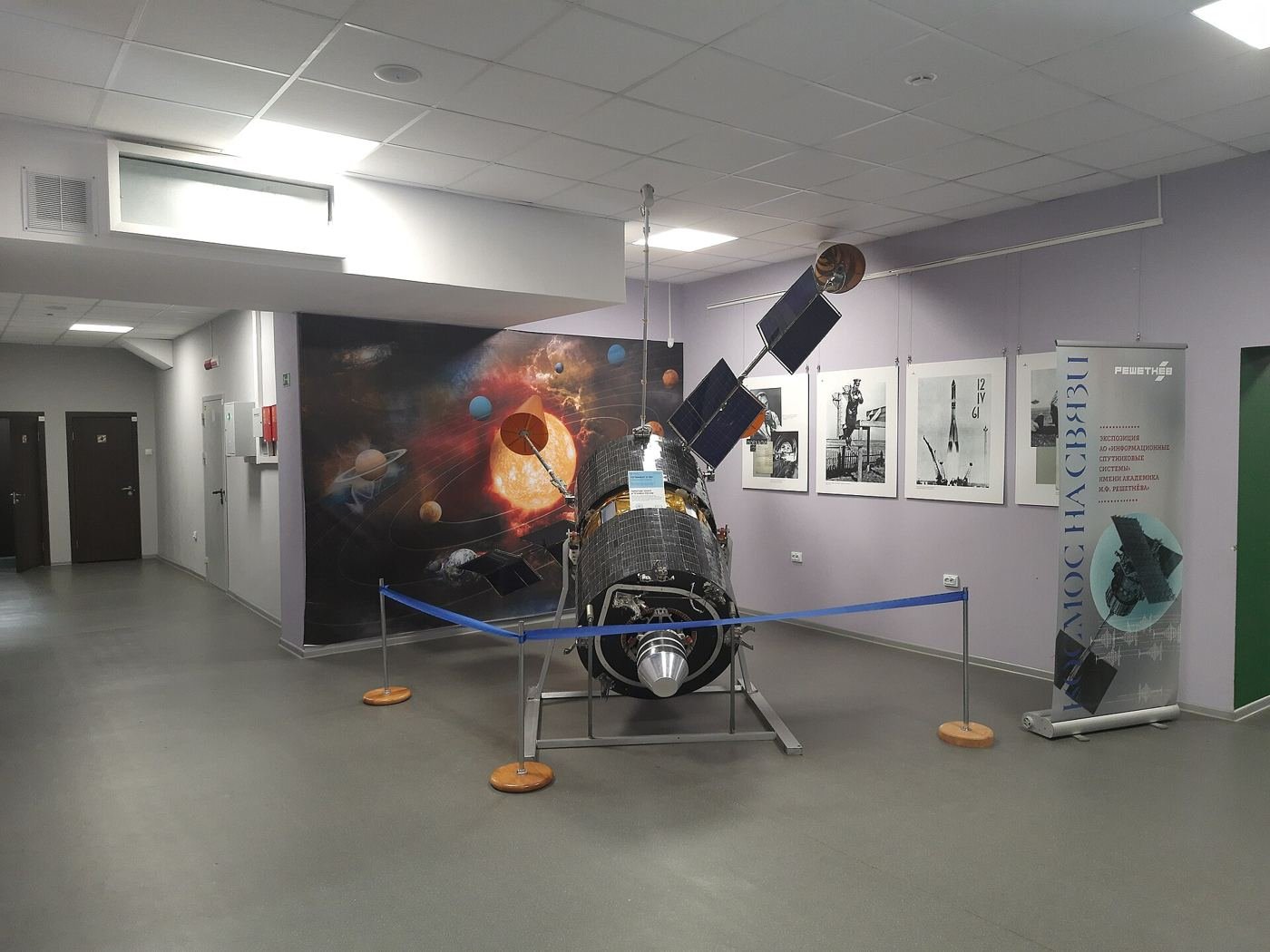
A cargo ship crossing an ocean is, in communication terms, almost as remote as a spacecraft. Beyond the reach of coastal mobile networks, crews have long relied on slow and expensive satellite links, enough for essential messages but little else. New constellations of low-orbit satellites are changing that, offering ships broadband fast enough for video calls home, real-time weather routing and remote diagnostics of engine problems. For crews who spend months at sea, the ability to speak with family every day rather than once a week is a profound change in daily life, and shipping companies report it helps with recruiting and retaining staff. For the vessel itself, a fast connection means engineers ashore can monitor machinery continuously, spotting a developing fault days before it would have been noticed on board and arranging parts to meet the ship at its next port.
What the Evidence Shows
The technology is not yet simple or cheap. Ships need stabilised antennas that track fast-moving satellites across the sky while the vessel rolls in heavy seas, and the equipment must survive salt, vibration and storms. Costs have fallen sharply as more satellites launch, but smaller fishing boats and older vessels still find the service expensive, and coverage can be patchy near the poles. Security is a growing concern too, because a ship whose navigation and engines are connected to the internet becomes a target for cyberattacks, and operators are adding firewalls and monitoring to systems that were never designed to be online. Regulators are updating rules to cover the new reality, including requirements for reliable distress communications that do not depend on any single network. Even with those challenges, seafarers say the change is the biggest improvement in life at sea in a generation, and the oceans are becoming steadily less isolated. Reporting and analysis from sources such as MIT Technology Review track the same developments, and specialists following the ship-connecting satellites say the direction is now consistent across independent lines of evidence.
The Wider Context
The wider context is an industry learning to ship capability and restraint together. Products built around the ship-connecting satellites now launch with safety evaluations, usage data and rollback plans as standard, because enterprise buyers and regulators ask for them in the first meeting. Companies that treated those questions as friction are discovering they have become the purchase criteria.
What Happens Next
What happens next for the ship-connecting satellites depends less on another breakthrough than on the unglamorous work of reliability, pricing and support. The buyers evaluating it now are not enthusiasts; they are operators with budgets and auditors, and their checklists will decide the timeline. On the evidence of the current pilots, the technology has earned the right to be judged by them. You can follow related developments in our coverage of technology.
There is a practical lesson in all of this for readers deciding what to do today. Start with the verified facts, be wary of anyone promising certainty, and prefer reversible steps while the evidence is still developing. Circumstances differ by country, income and personal situation, so general guidance should always be weighed against your own context before you act on it in any significant or lasting way.
